
Solar panels on a PEG system are designed to maximise space efficiency and minimise installation costs. Unfortunately, these systems also pollute faster than other systems. As a result, PEG panels can lose up to 40% of their yield if not properly maintained. So regular cleaning is important to maintain yield and prevent damage.
In this article, we explain why PEG solar panels get dirty faster, what the consequences of soiling are, and how you can get them cleaned safely and effectively. You will also read why standard cleaning techniques are often insufficient, and how SolarWash offers an innovative solution for this.
What is a PEG system?
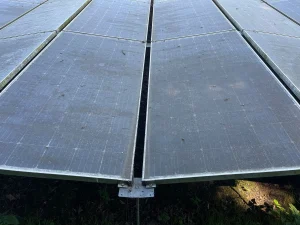
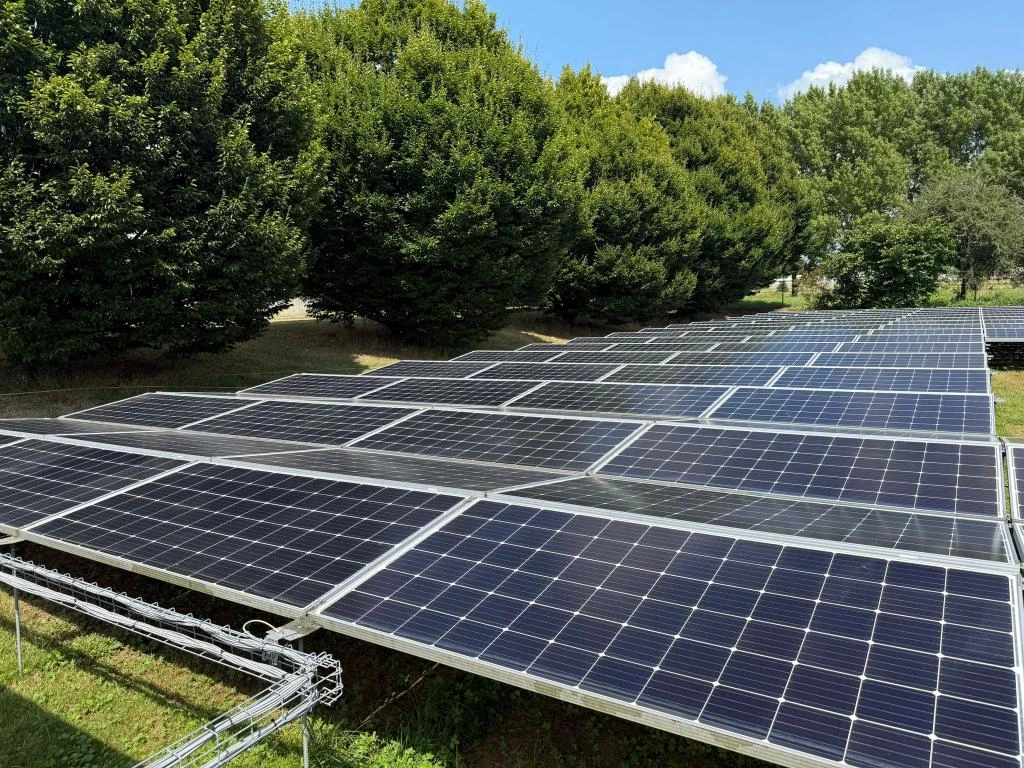
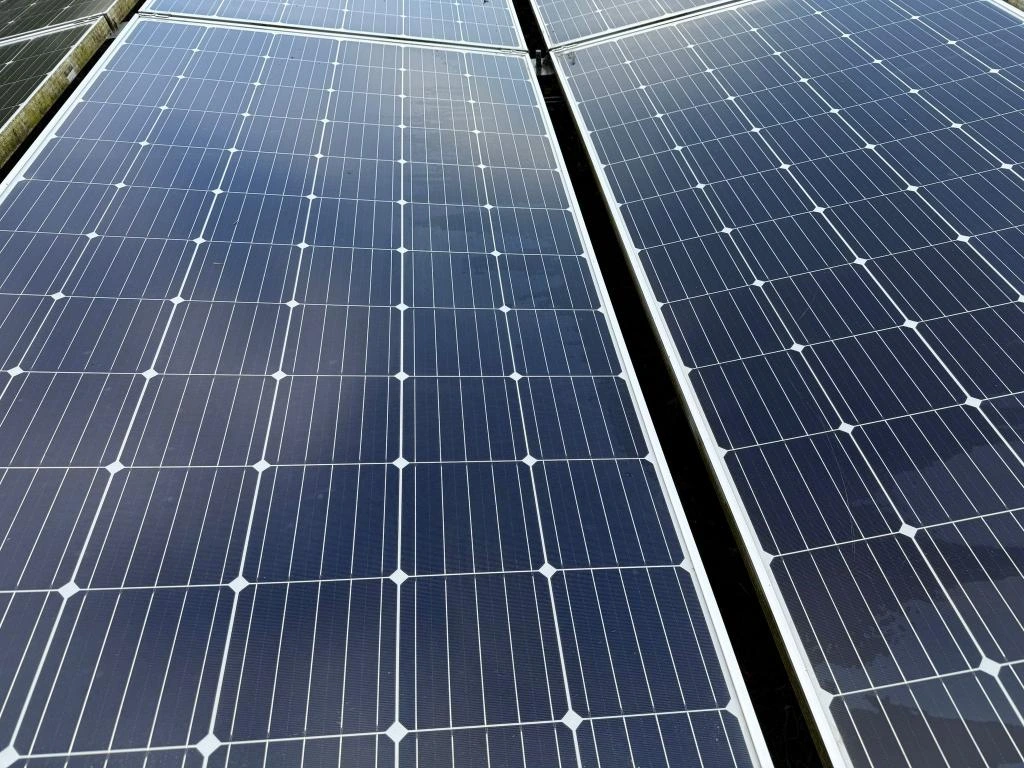
A Pole Embedded Ground (PEG) system is an innovative form of installation in which solar panels are placed just above the ground on poles driven into the earth. The panels lie almost horizontally (5 to 10 degrees inclination) and close together, without walkways or heavy substructure.
Benefits of PEG systems:
- Efficient use of space: More power per square metre.
- Lower costs: Less material and faster installation.
- Subtle presence: Less visible in the landscape.
Yet this setup also brings unique challenges.
Why PEG panels contaminate faster
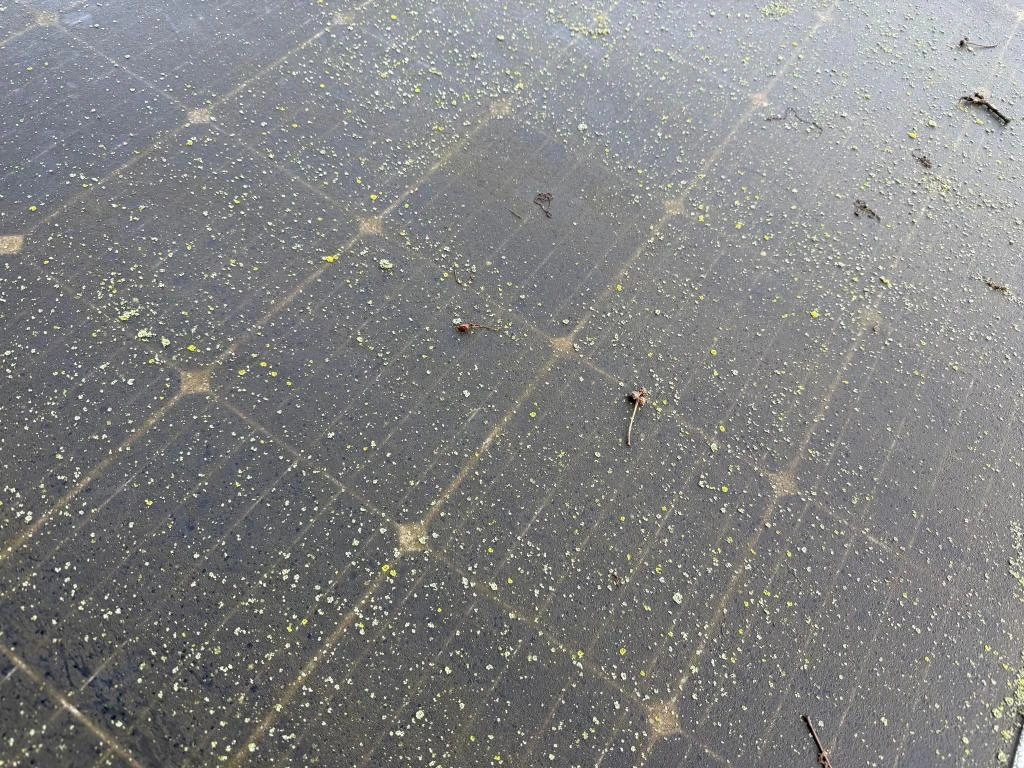
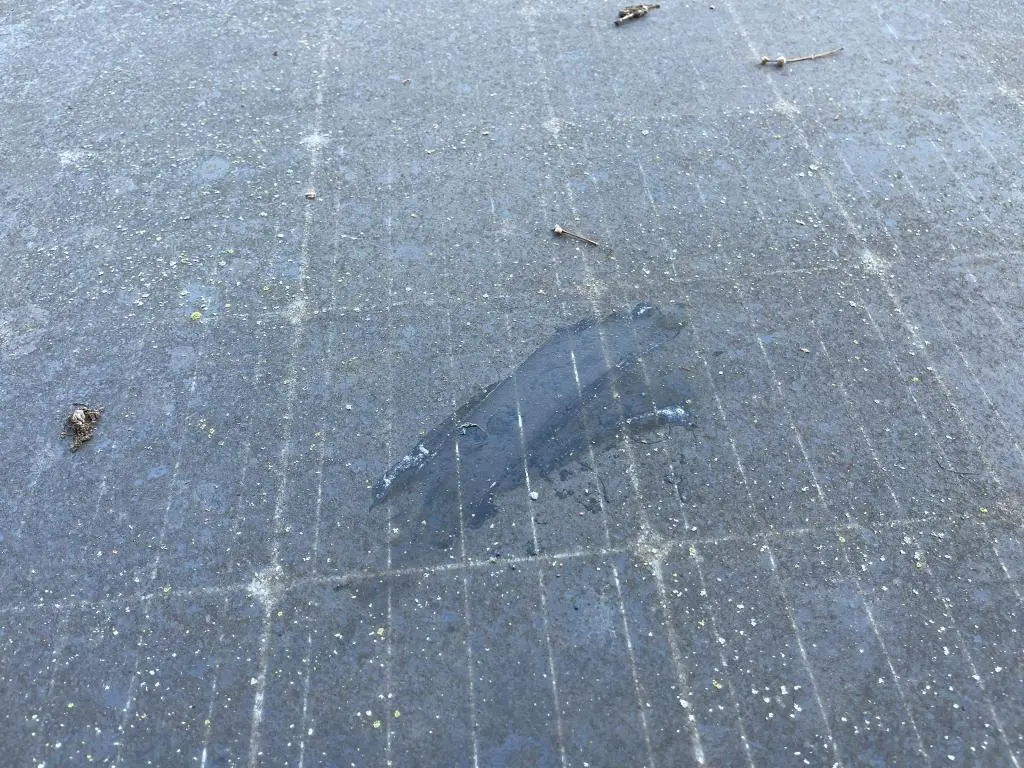
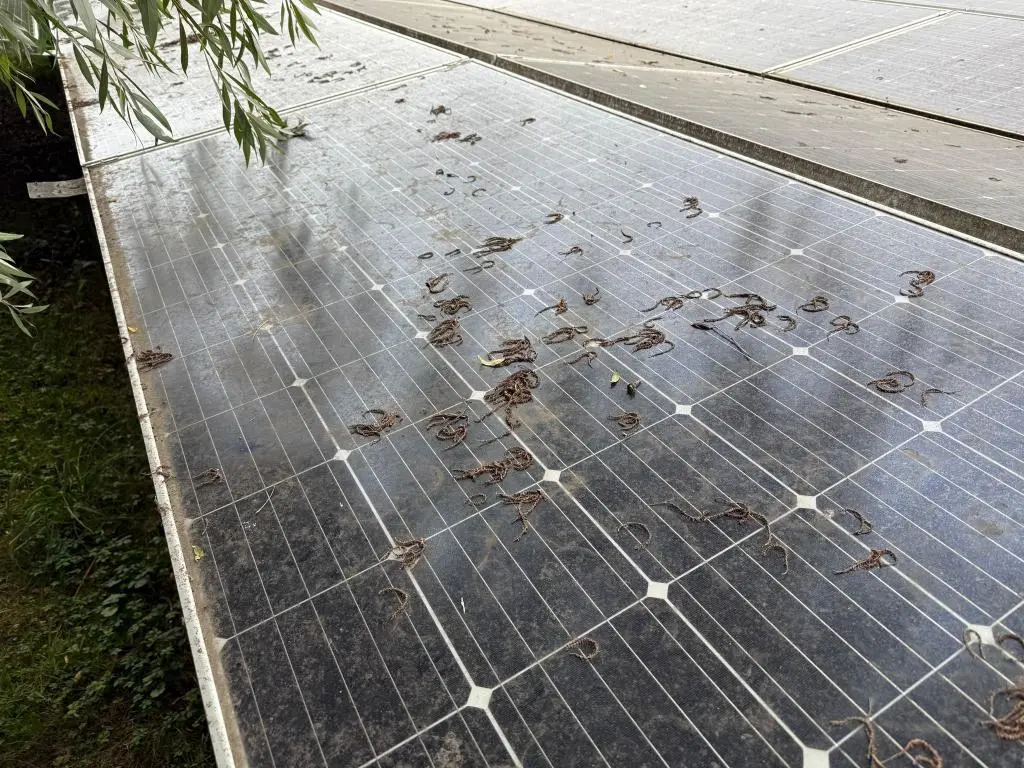
Due to their low placement, PEG panels are close to the ground, exactly where dust, mud, leaves, pollen and bird droppings accumulate most quickly. The minimal pitch also makes it harder for rain to wash away this dirt. These systems are also often difficult to access due to the lack of walkways. This makes manual cleaning difficult and risky.
Common sources of pollution:
- Leaves and twigs at forest edges
- Dust and mud near farmland or dirt roads
- Pollen and bird droppings in spring
- Industrial precipitation dust in urban or industrial areas
Risks of dirty PEG solar panels
Contaminated solar panels perform demonstrably worse. For PEG setups, efficiency can drop by 10 to 40% if dirt is left for too long. That literally means lost yield and longer payback time.
Effects of pollution:
- Less power generation
- Faster wear of panels
- Unnecessary economic losses
How to clean PEG solar panels safely and effectively?
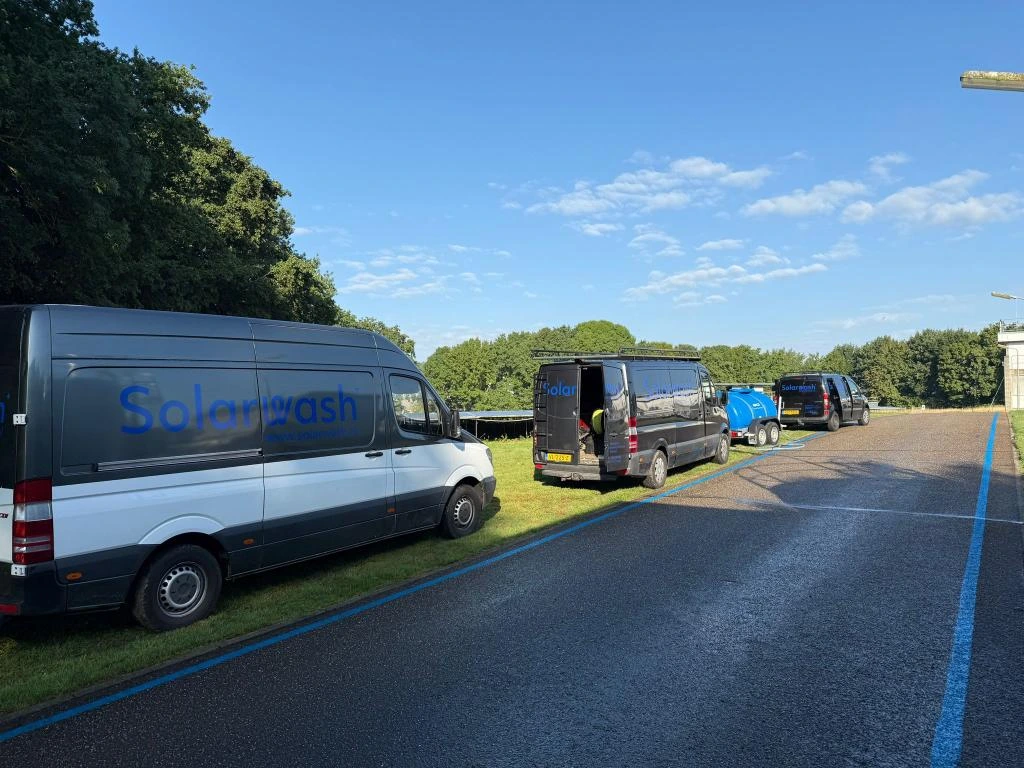
Due to their construction, PEG panels are poorly accessible with traditional cleaning systems. Cleaning robots are too heavy or not deployable, and manual cleaning involves risk of damage. This is why SolarWash has developed a special cleaning system developed that responds precisely to these challenges.
SolarWash solution for PEG systems:
- Reach up to 20 metres without entering the field
- Wide brush system cleans two panels simultaneously, up to 15 metres per movement
- Without load on panels - completely from the edge or intermediate paths
- Soft brushes remove stubborn dirt without scratching
- Extremely effective with mud, pollen, leaves and bird droppings
With more than 65,000 PEG panels cleaned by 2025 alone, SolarWash is the market leader in safe PEG cleaning at scale.
Tips for owners and operators of PEG systems
- Have panels cleaned once or twice a year, depending on location and pollution.
- Schedule extra cleaning after autumn or during dry summers.
- Work with specialists who have experience with PEG structures.
- Check performance regularly of the solar farm on notable decline.
Want to know more about PEG solar panel cleaning?
Want to make sure your PEG solar panels are cleaned safely, quickly and without yield loss? SolarWash helps you with a customised solution tailored to your solar farm.
Get in touch for a no-obligation inspection, demonstration or quotation.